
Trading
Ball VS Ball trading explained: what the Trading Sign does, how rarity tiers inform item values, and how to avoid the scams that follow any Roblox trade scene.
Introduction
Trading is the least documented system in Ball VS Ball and the one where it pays to be sceptical. The entire public evidence for it is a single store product: a Trading Sign priced at ninety-nine Robux and added in the September update. The developer has published no trading rules, no value tables and no confirmation of how exchange is supposed to work, so everything beyond that one product is inference. This section covers what can be verified, how the rarity ladder gives you a starting point for valuing items, why unsolicited offers arranged outside the game should be treated as unsafe and what to do while the rules remain unconfirmed. If you are looking for a price list, this is deliberately not one.
Trading Readiness Checklist
| Item | Status | Evidence | What to do |
|---|---|---|---|
| Trading Sign | Confirmed | Listed in the store at 99 Robux | Only buy it if you already have tradeable items |
| Official trade rules | Not published | No developer documentation exists | Treat every rule you read as community convention |
| Item value tables | Unverified | No drop rates or stat sheet released | Use rarity tier as a starting point, not a price |
| Trade safety | Player responsibility | Scams are common across Roblox trading | Keep every trade inside the game interface |
Trading Risk Notes
Trading Sign
The single piece of evidence that trading exists at all
Value Lists
Why rarity is a starting point and not a price
Scam Risk
The one part of trading that is genuinely predictable
Untested Ground
Why this section is shorter than the others
Core Mechanics
Trading in Ball VS Ball sits at the edge of what is publicly documented. The store sells a Trading Sign, which strongly implies that players can exchange items, but the developer has released no rules describing how that exchange is meant to work. In practice that means the entire system runs on community convention: players agree values among themselves, rarity tier is used as a rough anchor and the game provides no arbitration when an agreement goes wrong. Because the store publishes prices but not drop rates, there is no objective scarcity measure to price against, and the named products that sit outside the tier bands make comparisons harder still. The practical stance is to treat trading as an unverified feature: useful if it works as players expect, and risky precisely because nothing about it has been confirmed by the developer.
Advantages
If trading works the way the store listing implies, it is the only route in the game to obtain an item you missed. The daily rotation is time-limited, so an item that was on the shelf last week is otherwise gone; exchange is the only mechanism that could put it back within reach without waiting for the rotation to return. Rarity tiers give players a shared vocabulary for the conversation, which is more than many Roblox trading scenes start with. And because the game is young and the roster is still filling out, an early collection can accumulate value as more players join and the demand for older items grows.
Challenges
The fundamental weakness is that nothing about trading has been confirmed by the developer. One store product is the entire public record, which is not enough to state rules, limits or valuation guidance with any confidence. Without published drop rates there is no objective scarcity measure, so every value list in circulation is somebody's opinion. The absence of official rules also makes the scene attractive to scammers, and Roblox trading has a long history of off-platform fraud that the game itself cannot police. Finally, because the developer could publish rules at any time that change how exchange works, any strategy built on the current assumption carries real risk of becoming obsolete overnight.
Frequently Asked Questions
Does Ball VS Ball have trading?+
How do I know what my items are worth?+
How do I avoid getting scammed while trading?+
Quick Tips
Keep every trade inside the game interface. Off-platform arrangements are the standard vector for Roblox trading scams, and the developer has published no rules that could help you recover an item once it has left the game. If a counterparty insists on moving the deal somewhere else, that request is itself the reason to walk away from it entirely.
Use rarity tier as a conversation starter rather than a price. Rare, Epic and Legendary describe the price band an item sits in, but without published drop rates there is no objective way to convert a tier into a fair value. Two items from the same rarity tier are a reasonable starting point for a swap, but scarcity and usefulness both matter and neither is published anywhere.
Wait for the developer to publish rules before trading anything you care about. One store product is the entire public record of the system, and any strategy built on assumptions about how it works can be invalidated by a single announcement. The developer could publish rules at any moment that change how exchange works, and any strategy built on the current assumptions would become obsolete immediately.
Featured

Ball VS Ball Player Trading: Gift Rules & Value Swaps
Master Ball VS Ball player trading with gifting rules, item value checks, and fair swaps that help you land the rarest balls from friends and other players.
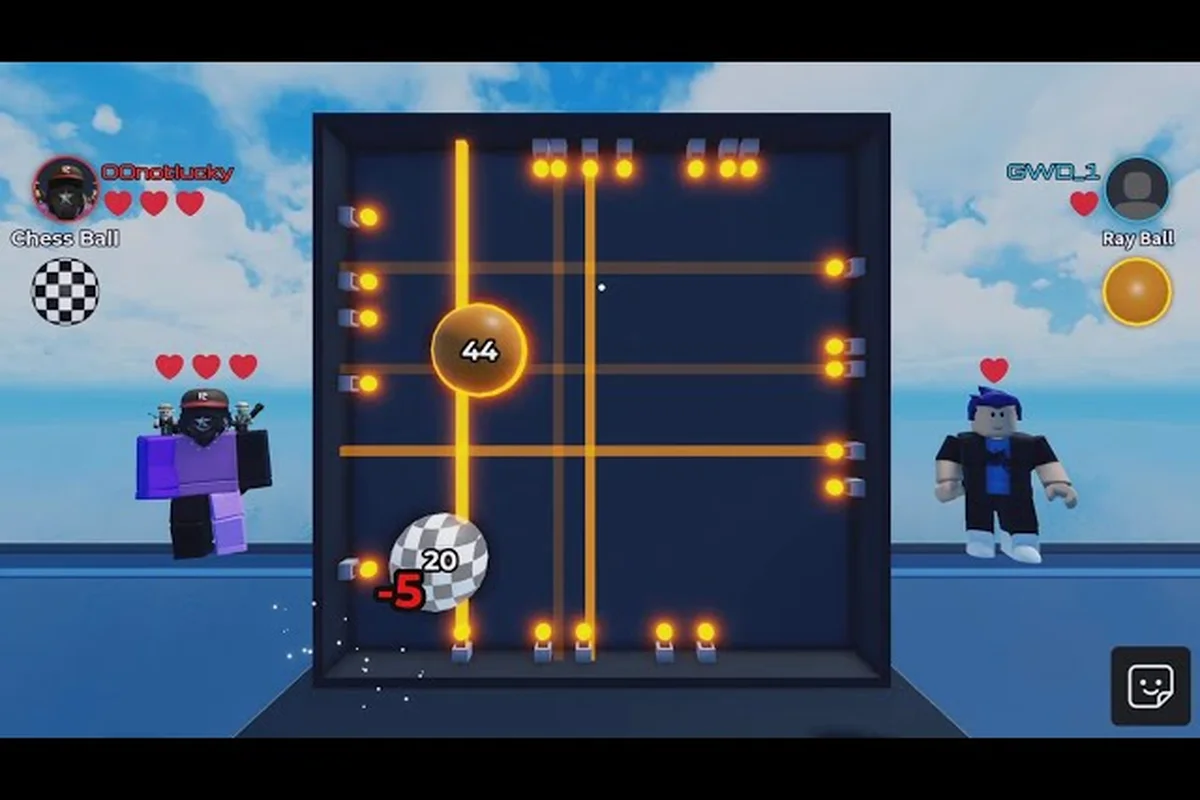
Ball VS Ball Trading Sign: How to Unlock & Use It for Trades
Unlock the Ball VS Ball trading sign, learn how to activate it for player trades, and find out which rare balls and legendary drops are worth swapping first.

Ball VS Ball Trading Tips: Value Reads for Rare & Epic Balls
Sharpen your Ball VS Ball trading tips with value reads on rare and epic balls, smart offer timing, and the negotiation habits that close fair deals faster.
All Articles

Ball VS Ball Economy Guide: Supply, Demand & Smart Market Trades
A practical Ball VS Ball economy guide covering supply and demand, gifting habits, and market shifts so every trade and coin spend lines up with real value.
Ball VS Ball Scam Prevention: Spot Fake Offers & Trade Safely
Stay safe with Ball VS Ball scam prevention tactics, learn to spot fake trade offers, verify value, and report shady players before you lose a legendary ball.
Ball VS Ball Trading Community: Cooldowns & Fair Deals
Join the Ball VS Ball trading community with clear cooldowns, fair-deal etiquette, and item market rules that keep every swap safe and running smoothly.