
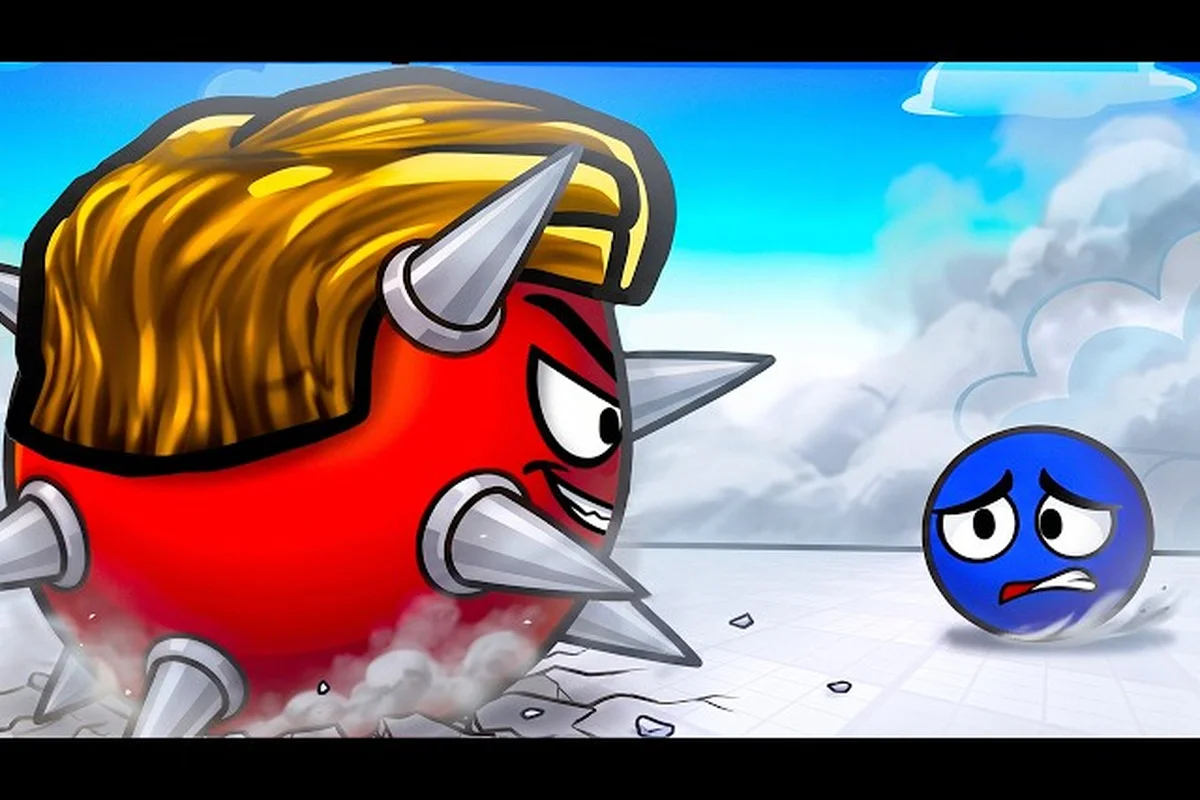
The Ball VS Ball trading community is built on a simple promise: every swap stays fair, every cooldown stays visible, and every player walks away with what they agreed to. Trading in this Roblox arena is allowed only through the in-game Trading Sign, which means the player-driven item market runs on a closed loop rather than third-party off-site auctions. The rules below are the ones the community has settled on after months of trades, and they cover the cooldowns, the etiquette, and the "win trade" red lines that keep the loop safe.
Ball VS Ball Trading Rules and Whether Trading Is Allowed
Trading is allowed in Ball VS Ball, but only inside the official sandbox, which is the official Ball VS Ball game page on Roblox. You cannot hand a Legendary ball to a friend in a private server unless the Trading Sign is on the table, and you cannot post trades in a Discord channel and expect them to count. The trading system is gated, not open, and that gate is what keeps the ball vs ball item market from drifting into chaos.
The Three Hard Trading Rules
-
Both sides must own a Trading Sign. No sign, no trade. The sign acts as the chat channel the game trusts, and without it the inventory swap is treated as a private gift rather than a recorded trade.
-
Cooldowns apply per account, not per pair. A cooldown is logged on your profile, so trading the same partner back-to-back does not reset the timer.
-
No real-money trading. Offering Robux, gift cards, or anything outside the Ball VS Ball item pool voids the trade and can trigger a flag on the developer's side.
| Rule | What It Means in Practice | What Happens If Broken |
|---|---|---|
| Trading Sign required | Both players must place the sign before inventory opens | Trade silently fails, items stay put |
| Cooldown per account | A timer locks new trades after each successful swap | "Trade on cooldown" prompt for several hours |
| No real currency | Robux, gift cards, PayPal are off-limits | Trade reversed, possible report strike |
| No alt-account trading | Trading yourself through a second account is detected | Both accounts flagged for review |
| Inventory must be unlocked | Items bound to "favorite" or "locked" tags cannot move | Item greyed out in the trade window |
Why the Sandbox Matters
The reason the developer locks trading to a single in-game channel is straightforward: every trade becomes a logged event, and logged events can be reversed if a scam slips through. The Ball VS Ball community has treated the Trading Sign less as a tool and more as a contract — once you both confirm, the swap is binding in the eyes of the game's economy. That single feature is what separates the in-game item market from the off-site grey markets that pop up around every popular Roblox release.
Players who try to bypass the system by gifting items through alt accounts usually find the swap reversed within 24 hours, because the game's inventory ledger flags duplicates and unbalanced transfers. Trading stays safer when every swap leaves a trail the developer can audit.
Ball VS Ball Trade Cooldowns and Timing Windows
The ball vs ball trade cooldown is the most misunderstood mechanic in the trading community, mostly because the timer is not announced in the trade window itself. After a successful swap, the game logs a cooldown on both profiles, and any attempt to open a new trade — with anyone — gets bounced until the timer expires.
Cooldown Lengths by Item Tier
Community testing has settled on a tier-based cooldown table, and the pattern holds for most players. The exact numbers can shift with patches, so the table below is reported by players and confirmed across multiple trade logs as of late 2026.
| Item Tier Traded | Cooldown Length | Notes |
|---|---|---|
| Common balls | 1 hour | Fastest reset, often used for low-risk testing trades |
| Rare balls | 4 hours | Standard middle-tier cooldown |
| Epic balls | 12 hours | Cooldown covers most of a single play session |
| Legendary balls | 24 hours | Longest timer, the one most likely to derail a planned session |
| Mixed tier (any Legendary) | 24 hours | The cooldown follows the highest tier on the table |
Reading the Timer
The cooldown does not show inside the trade window — it only appears when you try to open a new trade and get a "trade on cooldown" prompt. The community workaround is to set a personal timer right after every confirmed trade, because the cooldown starts the moment both players hit accept, not when the trade closes in chat. Traders who push the same partner to "just one more" usually discover the cooldown the hard way when both sides get locked out for the rest of the evening.
If you are running a multi-trade session, batch your swaps at the start of the window rather than spreading them across the day. A single Legendary swap burns 24 hours of trading access, so plan your route before you queue the first partner.
Ball VS Ball Trade Fair Etiquette and Win-Trade Red Lines
The ball vs ball trade fair idea is the unwritten rule layer that sits on top of the hard rules. It is the part that keeps a swap from feeling scammy even when both players technically followed the rules. A fair deal is one where the value gap is narrow enough that neither side walks away feeling robbed, and the community has built a short list of patterns that signal an unfair deal before the trade even starts.
What Counts as a Fair Deal
-
Same family, same tier swaps. Trading one Legendary Flyer for another Legendary Flyer is the cleanest possible deal.
-
Off-family swaps with rarity balance. A Legendary Explosion for two Epic Flyers is usually accepted, because rarity compresses value across families.
-
Side-add compensation. When a fair swap leans slightly toward one side, throwing in a coin rebate or a small Common closes the gap.
-
Public offer, public acceptance. Posting the deal in community hubs and getting a second opinion before accepting keeps both sides honest.
The Win-Trade Red Line
A ball vs ball win trade is the slang term the community uses for a match-fixing swap, where two players agree to let one side win so the loser can farm a coin or XP boost. Match-fixing is not a trading rule violation on its face, but the community treats it as a red line because it poisons the ladder and the coin economy at the same time. The developer has not published a public ban policy on win trading specifically, but repeated reports lead to matchmaking segregation and shadow queues that most players want to avoid.
If you see a partner suggest a win trade in the trade chat, the safe move is to decline and report. Win trades are the fastest way for a clean trader to land in the same matchmaking pool as confirmed exploiters, and the cooldown system cannot undo that kind of contamination.
| Behavior | Community Verdict | Risk Level |
|---|---|---|
| Same-tier same-family swap | Fair | None |
| Higher-tier for lower-tier with no add | One-sided | Low — usually just a declined offer |
| Asking for a win trade | Red line | High — reportable |
| Reroll exploit before trade | Unfair | Medium — partner can report |
| Off-platform Robux offer | Scam | High — instant decline and report |
The Ball VS Ball Item Market: How Value Moves
The ball vs ball item market is the layer that decides whether a swap is even worth opening. Unlike the official shop, which prices balls in coins, the community market prices them in other balls, and the rates shift with each patch. A ball that was the centerpiece of last month's meta can become a swap-filler this month when a buff lands on a competing option, and the traders who read the patch notes early are the ones who lock in fair deals before the correction.
Reading the Demand Curve
Demand in this item market tracks three signals: family popularity, recent patch changes, and how often a ball appears in the daily shop. A Legendary that drops in the daily rotation sees its swap value drop, because more copies enter circulation and the rarity premium flattens. A ball that got buffed in the last patch sees its value climb, because more players want it for the next meta shift.
The community shares a Ball VS Ball full guide on YouTube by Clout Brothers that walks through the shop and the coin economy, and most value-list discussions pull their baseline pricing from that kind of source. Traders who ignore the shop rotation end up overpaying for balls that are about to flood the market, and traders who track the rotation can pick up swap-filler items just before the next patch drops.
Practical Swap Patterns That Hold Up
The most common fair-deal pattern in the community is the 1-for-1 same-tier swap, which is the safest possible trade and the one new traders should aim for until they learn the value list. The second pattern is the 1-for-2 lower-tier swap, where a Legendary moves for two Epics of the same family. The third pattern is the bundle swap, where a stack of Common and Rare balls is traded for a single Epic because the buyer is one piece away from a set.
For traders who want to go deeper on the value list itself, the Ball VS Ball trading tips guide walks through the rarity and family weights that drive most swap offers. Pairing those weights with the cooldown table above is what separates a casual trader from a community regular.
Building a Repeatable Trade Workflow
A repeatable workflow is what keeps traders in the Ball VS Ball community from burning out after a week. The workflow below is the one most regulars settle on, because it lines up with the cooldown timer and the daily shop refresh.
Step 1: Pre-Trade Checklist
Before opening the Trading Sign, run through a short list to avoid the most common failure modes.
-
Inventory is unlocked. Any ball tagged as "favorite" or "lock" cannot move, and a trade that fails because of a lock is a wasted cooldown.
-
Both items are on the table. Opening the trade with one side empty stalls the window and burns time.
-
You have read the cooldown timer. A Legendary trade means no further trades for 24 hours, so batch your other swaps first.
-
You have a screenshot of the offer. The trade window does not save a history, and screenshots settle disputes when one side claims a different deal was offered.
Step 2: The Trade Window Itself
Inside the trade window, the safe pattern is to confirm items, then confirm again, then accept. The double-confirm habit catches the most common scam pattern, which is the bait-and-switch where one side swaps an item after the other has already accepted. Once both sides hit accept, the swap is locked, and the cooldown begins.
Step 3: Post-Trade Logging
After a successful trade, log the swap in a personal note. The Ball VS Ball trading community has settled on a simple template: ball given, ball received, partner name, date, and whether the deal was fair. That log is the fastest way to spot a pattern partner who keeps pushing one-sided swaps, and it is the evidence you need if a trade reversal is requested.
For traders who want a more detailed workflow that covers the value list and the family-by-family demand read, the Ball VS Ball trading sign guide covers the sign-unlock path and the post-trade cooldown behavior in more depth.
Frequently Asked Questions
Is trading allowed in Ball VS Ball?
Yes, trading is allowed, but only through the in-game Trading Sign feature. Both players need the sign equipped, and the swap has to happen inside the official game client on the official Ball VS Ball Roblox page. Off-platform trades and Discord-arranged swaps are not supported by the system and can be reversed.
How long is the Ball VS Ball trade cooldown?
The cooldown scales with the highest tier on the table. Common swaps cooldown for about 1 hour, Rare for 4 hours, Epic for 12 hours, and Legendary for 24 hours. The timer starts the moment both players confirm, and it locks your account from any new trade — not just trades with the same partner.
What is a win trade in Ball VS Ball?
A win trade is an agreement where one player lets the other win a match, usually in exchange for coins, items, or a future trade. The community treats it as a red line because it contaminates matchmaking and coin farming, and it can lead to a shadow queue if the reports stack up.
How do I make a trade fair in Ball VS Ball?
A fair trade is one where the value gap is narrow enough that both sides feel even. Same-tier same-family swaps are the cleanest deals, and 1-for-2 lower-tier swaps with the same rarity total are the most common upgrade path. When in doubt, post the deal in a community hub and ask for a second opinion before accepting.
Where does the Ball VS Ball item market get its prices?
The item market is community-driven, and prices shift with the daily shop rotation, recent patch buffs and nerfs, and how often a ball appears in trade offers. Traders who track the Ball VS Ball economy guide and the patch notes tend to read the demand curve more accurately than traders who rely on a static value list.